
Asi Hatke (The Black Drink)
Introduction to the Drink
This was one of the most important ceremonial institutions of the Apalachee people. Far from being a casual beverage, the drink functioned as medicine, purification ritual, political law, and social boundary marker. Spanish observers encountered it repeatedly in Apalachee territory which they started documenting around the late 1520s. The drink was not only used with the Apalachee as many southeastern tribes had the drink in ceremony.
Names and Terminology
Below are the many names used from different peoples that experienced the ceremonial drink. The Spanish version was documented in the mission era, while the Carolinian version is what most people call the drink today. The Musckogee version was widely used throughout many tribes in the region, but unfortunately the Apalachee name of the drink was never recorded and can only be reconstructed through linguistics.
Spanish Terms
- Cacina / Cassina – the most common colonial term
- Té del Indio – “Indian tea” (informal descriptive name)
- La vomitiva / bebida vomitiva – “the vomitive,” referring to ritual vomiting
English Terms
- Black drink – standard English name in colonial and academic usage
- Yaupon tea – botanical description
Muskogee Term
- Assi / asi hvtke – the direct Muskogee term for the ritual beverage
Apalachee (Reconstructed)
- Asi hatke – “black drink” (reconstructed, not directly attested)
- asi = ceremonial yaupon drink
- hatke = means “white,” referring to a ritual purity rather than color
- Pronunciation: “AH-see HAH-tkeh“
⚠️ The original Apalachee term is not preserved in surviving records. Asi hatke is a scholarly reconstruction based on Apalachee’s close relationship to Western Muskogean languages.
Preparation of the Drink

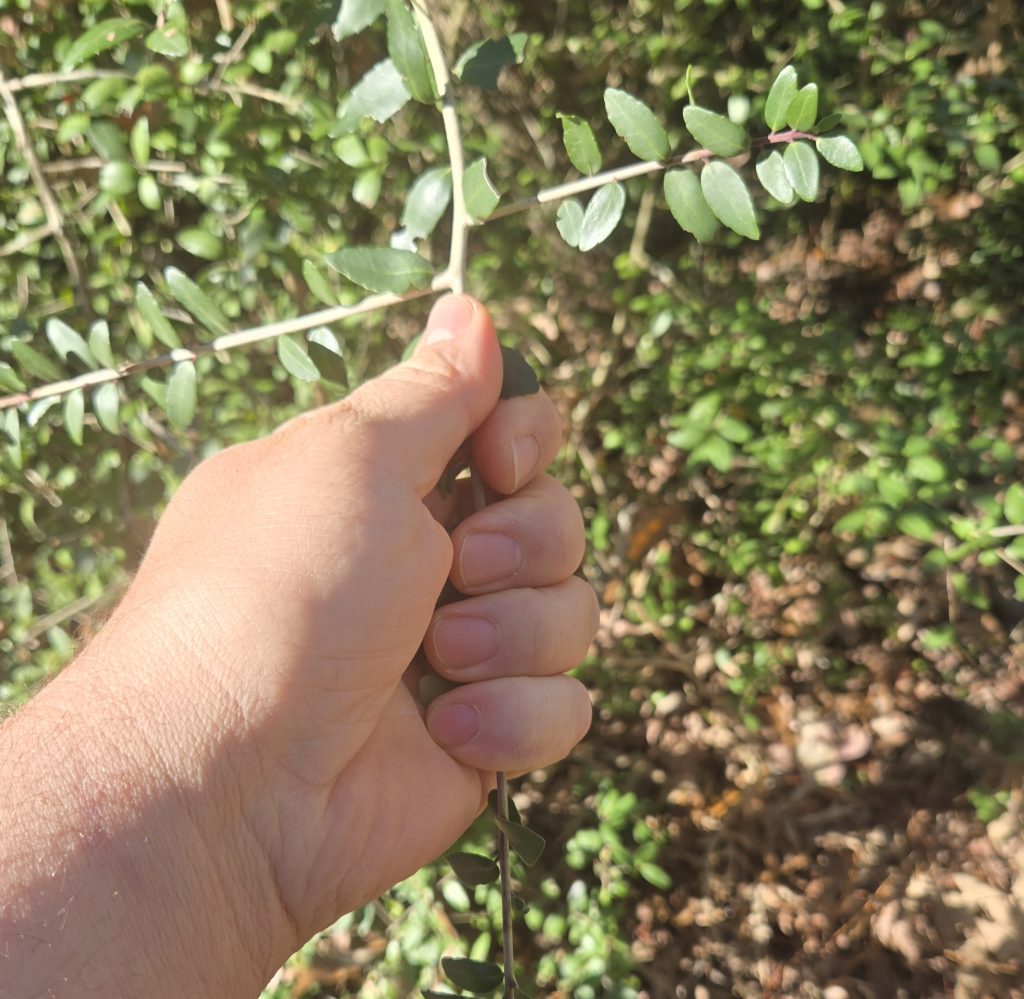
The drink is made from the leaves of the yaupon holly (Ilex vomitoria). The scientific name vomitoria reflects European observation, not Native intent; vomiting was ritual purification, not poisoning. The yaupon holly is the only natural caffeinated holly in North America with the equivalent caffeine to that of coffee beans. The plant is located from Virginia, down south to Florida, and stretches west over to parts of northeast Texas and southeast Oklahoma.
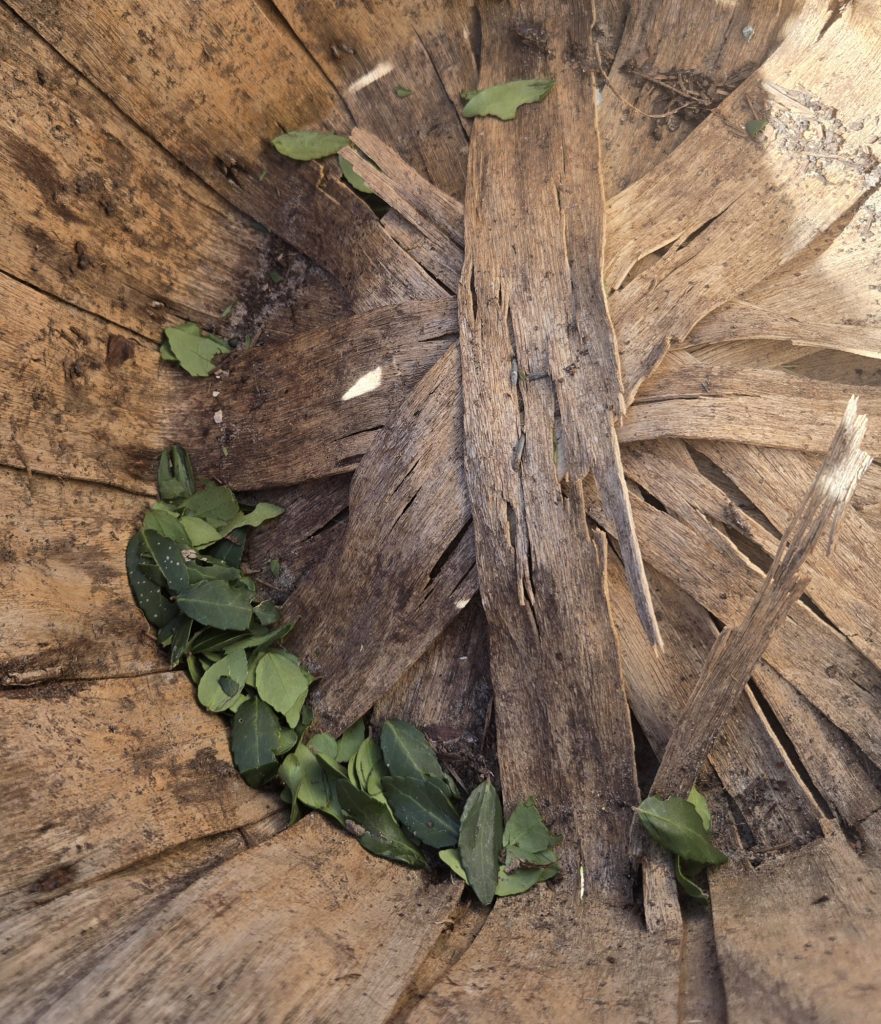
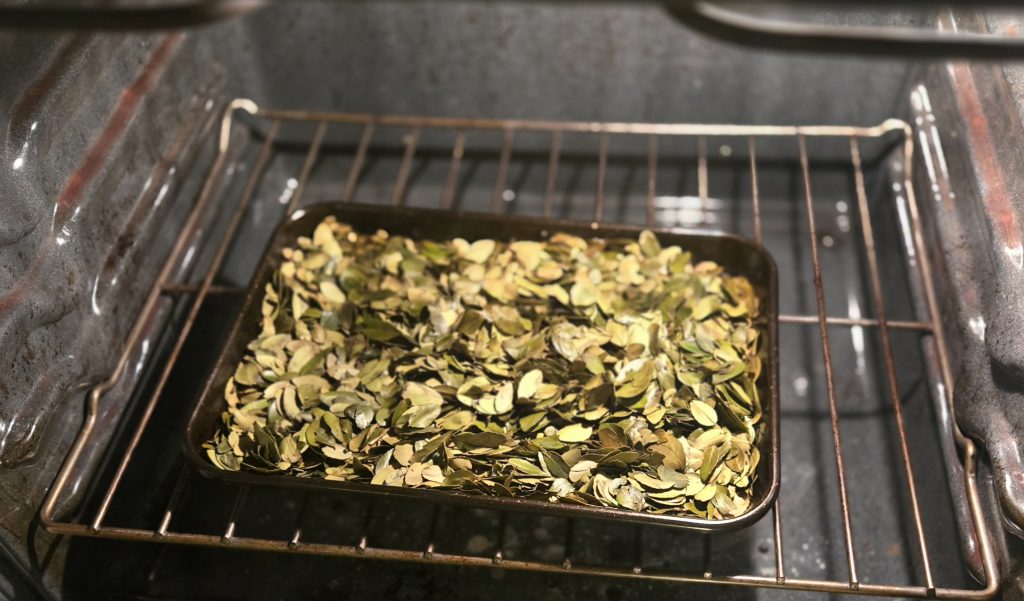
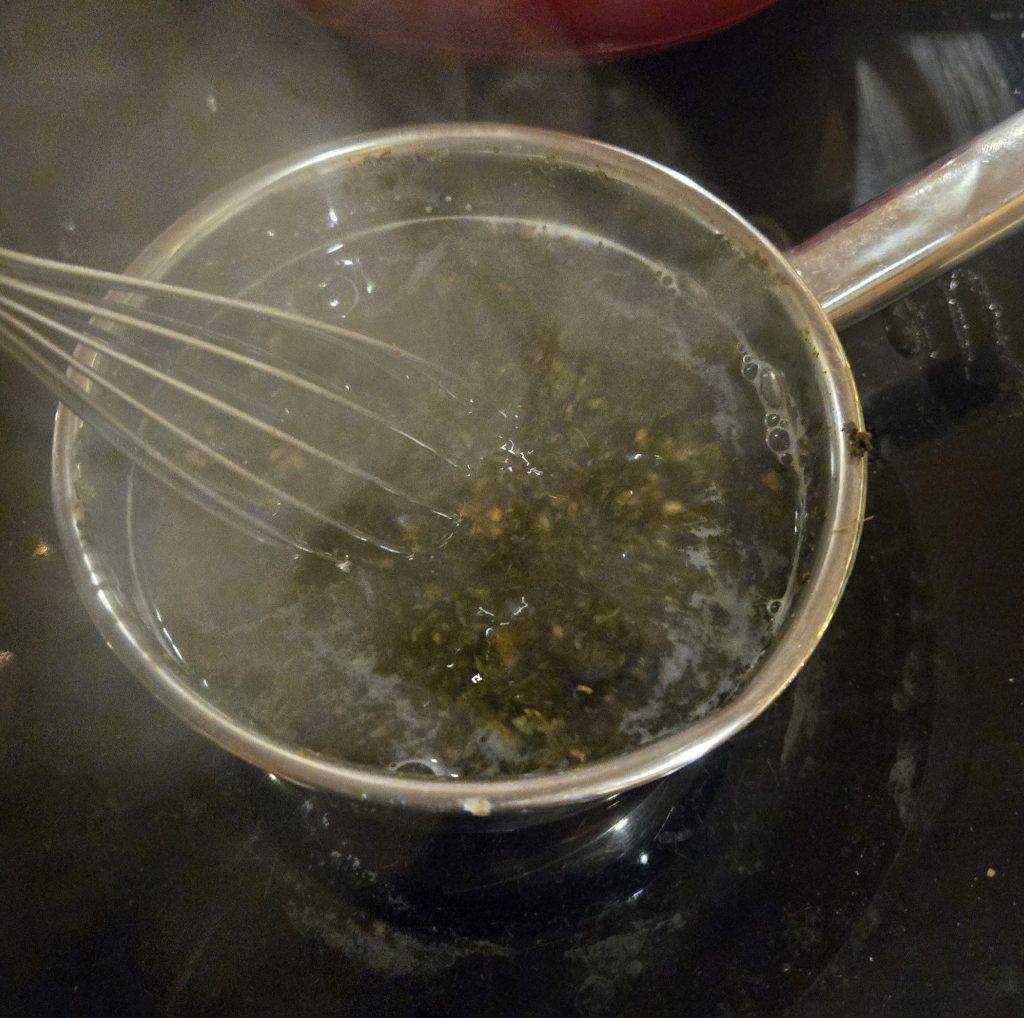
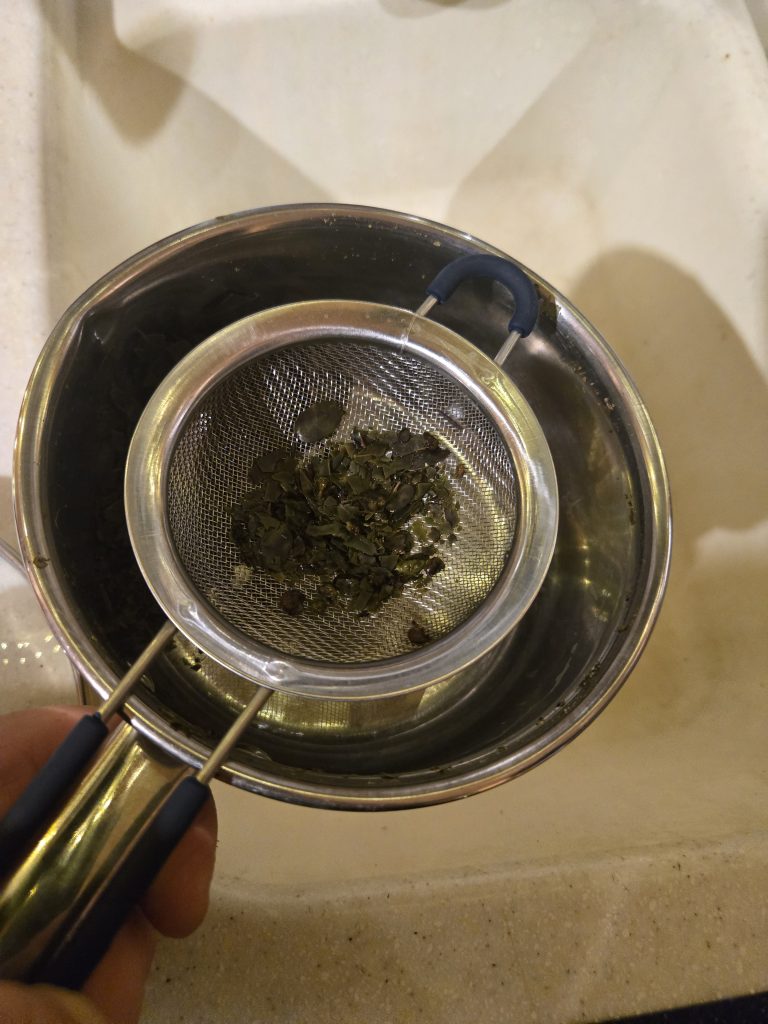
Apalachee would pull the leaves from the plant branches and collect them in a pouch or basket. They would then take the leaves and roast them over a fire. Once roasted to a crisp, the Apalachee would crush the leaves by hand. With a pot of boiling water, the leaves would be mixed and brewed extremely strong. The drink may have been strained, but more than likely was just served hot for consumption in ceremonial settings.
Enviroment of Consumption
For much of the time during the drink tradition, strict rules governed consumption. Only adult men and leaders were allowed to participate with the black drink, excluding outsiders. Violation of these rules was a serious spiritual and political offense.

Asi hatke was consumed only during specific events such as council meetings, political decision-making, purification rites, seasonal ceremonies, and before warfare. A celebration would be held when an Apalachee had his final kill to become a nicoguadca (nee-koh-GWAHD-kah) or great warrior status which asi hatke would be served. These ceremonies usually were in the council house or ceremonial plazas which is also where consumption of the drink would occur. Refusal to drink at any of these ceremonies signaled disloyalty or ritual impurity.
The Role of the Inija
As second in command, the inija (EE-nee-ha) of the village holding a ceremony or celebration had very important rolls. These included administrator of civic duties, supervisor over ritual logistics, and overseer of the black drink preparations. Spanish mission records specifically note that the inija supervised preparation of the black drink, confirming this was an institutional duty rather than a personal task. The chief embodied sacred authority, while the inija enforced and enacted it.
The inija would help enforce certain rules when ceremony was going to take place with asi hatke. Some rules were dietary restrictions, no intimacy prior to ceremony, and vomiting was intentional and expected. It symbolized cleansing, renewal, and removal of spiritual pollution. These rules reinforced that the black drink was medicine and law, not intoxication. Failure to vomit may have been considered ritual failure which the Spanish observers found alarming, leading to the nickname “la vomitiva.”

The Spanish missionaries opposed and tried to suppress asi hatke since it was operated outside Christian control and preserved paganistic ritual but were unsuccessful after many attempts and the practice endured until the end of the mission era.
The Drink With Today’s Apalachee
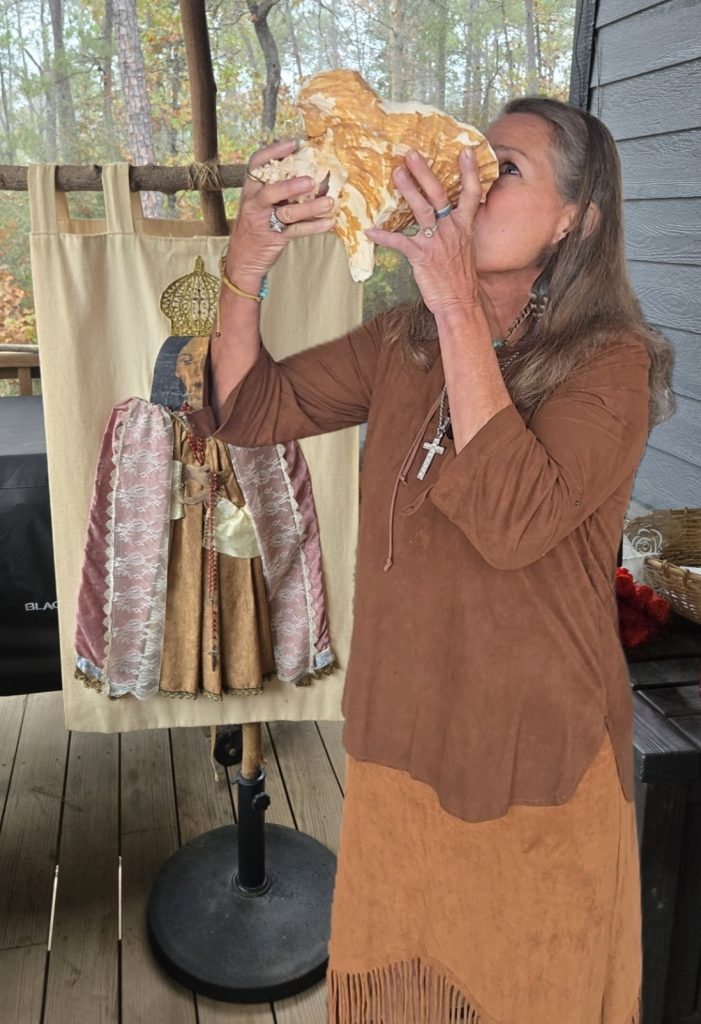
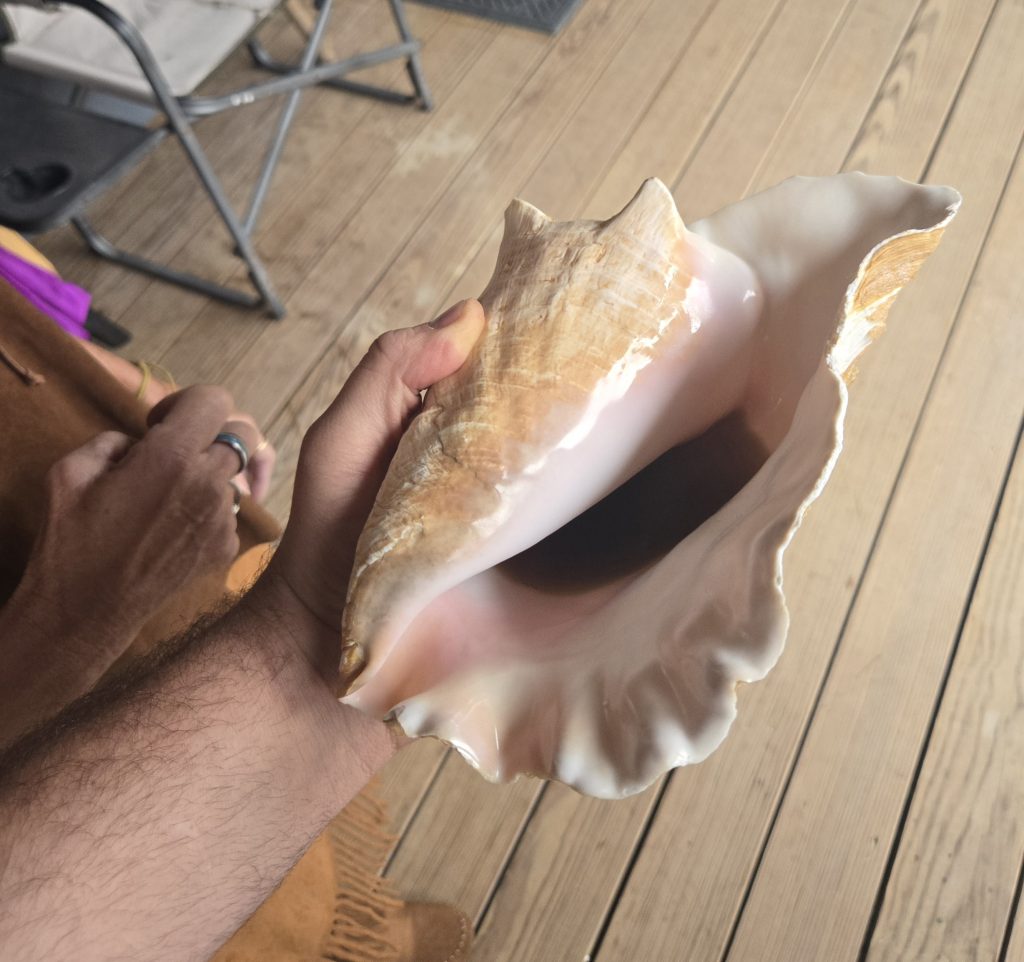
For the first time in hundreds of years, asi hatke (the black drink) preparation was overseen by the inija and used in the Apalachee ceremony for the first woman becoming principal chief of the Apalachee on December 7th, 2025. Though many of the rules for the drink are no longer enforced in Apalachee society today, the reintroduction of this sacred tradition is one of many that honors our ancestors and keeps the us connected to our roots.